Key fob battery — reseat the shell gasket after a CR2032 swap
Key fob
After a key fob battery swap, reseat the rubber shell gasket so the CR2032 tray stays dry and the key fob case closes square — one beat before you blame a dead fob.
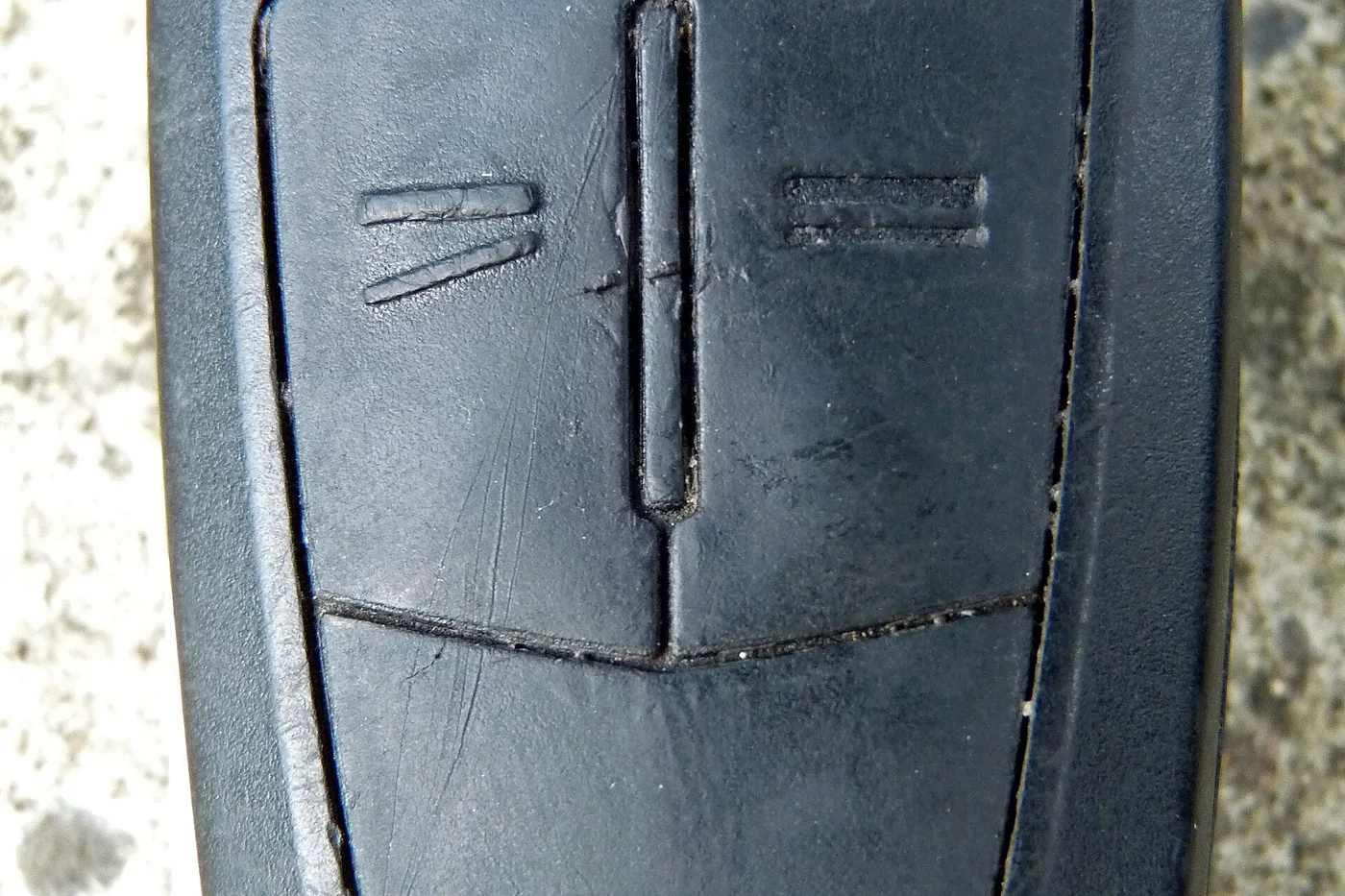
A fresh CR2032 can still leave a key fob not working if the thin rubber gasket under the key fob case is pinched or missing. Reseat that seal when you close the shell so the key fob battery tray stays dry and the board contacts stay aligned.
Reseat the key fob shell gasket after a CR2032 battery swap
- After the new CR2032 is seated with the printed side matching the tray mark, look for a thin rubber or silicone ring or lip around the shell edge before you snap the halves.
- Lay the gasket flat in its groove — no twists, folds, or overlap on one corner — then close the key fob case until the latch or screws seat evenly.
- Press each button once and check that the case does not gap at one corner; a high corner often means the gasket is bunched under the clip.
- Retest lock range outdoors. If range is still dead with a confirmed cell and a flat gasket, move on to pad and board checks — not another random CR2032 size.
Honest stop: if the gasket is torn, melted, or missing and the shell will not close square, use a matching shell kit or locksmith help — do not glue the halves shut over a live board.
More help
- Same niche: Clean a sticky key-fob pad without a shell kit · Key fob battery — check coin-cell printed side before close · Coin-cell sizes for car remotes · Key fob battery — warm it up in cold weather before replacing · Key fob battery — dry-wipe the tray before a new CR2032 · Key fob battery — held-fob-to-start when the cell is weak · Key fob battery — hold the new coin cell by its edges · Is it the battery or a dead fob? · Key fob battery — keep the key ring off the fob buttons · Key fob needs a re-sync after a car battery change · Locksmith vs dealer for a replacement key fob · Match aftermarket key fob case to the board · Key fob battery ready — metal key then press the fob · Key fob battery first — older-car home-program limits · Key fob battery ready — clean pad adhesive before a new shell · Key fob battery — paint-pen the install date inside the shell after a CR2032 · Key fob battery — open the shell with a plastic pry tool · Key fob battery first — radio reset is not a dead fob · Key fob battery ready — screw shell vs ultrasonic weld kit · Key fob battery — soft clip between the fob and the main ring · Sticky buttons or a cracked key-fob case · Key fob battery — store the spare coin cell away from loose change · Test key fob battery range after a swap · All key fob guides
- Related fixes elsewhere: Key fob battery — check coin-cell printed side before close · Test key fob battery range after swap