Key fob battery ready — clean pad adhesive before a new shell
Key fob
When transplanting a rubber pad into a new key fob shell, old adhesive residue can keep buttons sticky even with a fresh CR2032. Clean residue before you blame key fob not working on the battery.
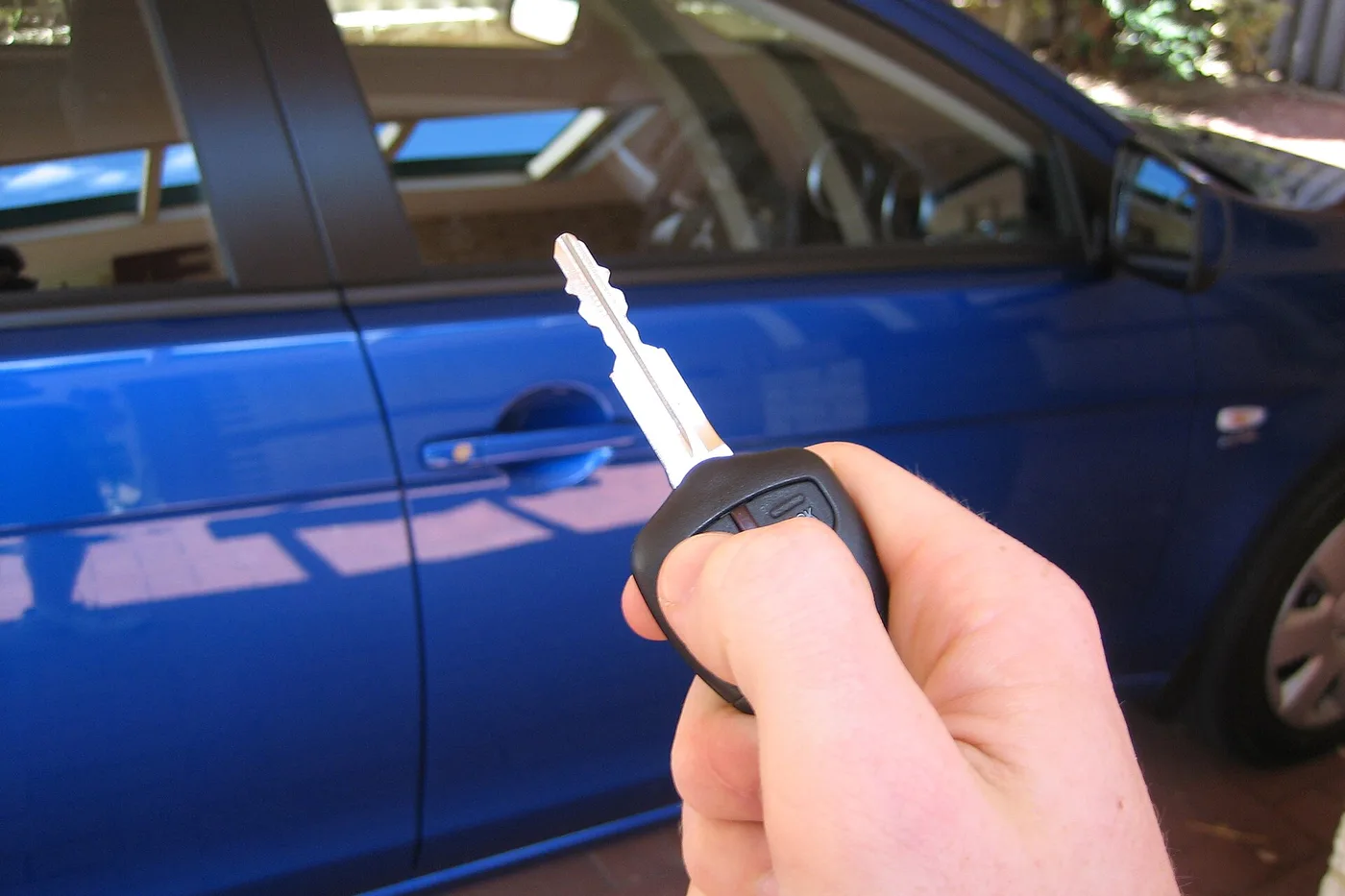
A fresh CR2032 will not fix a transplanted pad that still carries old glue. Clean pad adhesive residue when you move the board into a new shell so sticky buttons are not mistaken for key fob not working after a key fob battery swap.
Pad adhesive residue can fake a dead key fob battery
- Confirm the coin cell is fresh and correctly polarized before you chase shell issues.
- Peel the rubber pad carefully. Wipe old adhesive from the pad underside and the shell seat with a dry microfiber — avoid soaking the circuit board.
- If residue is stubborn, use a tiny dab of isopropyl on the pad only (not the board), then dry fully before reassembly.
- Re-seat the pad flat with no glue lumps under the buttons, snap the shell, and retest lock range.
Honest stop: never scrape the circuit board hard or flood electronics with solvent. If buttons still stick after a clean dry pad, the pad itself may be swollen and needs replacement — not more glue.
More help
- Same niche: Clean a sticky key-fob pad without a shell kit · Key fob battery — check coin-cell printed side before close · Coin-cell sizes for car remotes · Key fob battery — warm it up in cold weather before replacing · Key fob battery — dry-wipe the tray before a new CR2032 · Key fob battery — held-fob-to-start when the cell is weak · Key fob battery — hold the new coin cell by its edges · Is it the battery or a dead fob? · Key fob battery — keep the key ring off the fob buttons · Key fob needs a re-sync after a car battery change · Key fob battery — reseat the shell gasket after a CR2032 swap · Locksmith vs dealer for a replacement key fob · Match aftermarket key fob case to the board · Key fob battery ready — metal key then press the fob · Key fob battery first — older-car home-program limits · Key fob battery — paint-pen the install date inside the shell after a CR2032 · Key fob battery — open the shell with a plastic pry tool · Key fob battery first — radio reset is not a dead fob · Key fob battery ready — screw shell vs ultrasonic weld kit · Key fob battery — soft clip between the fob and the main ring · Sticky buttons or a cracked key-fob case · Key fob battery — store the spare coin cell away from loose change · Test key fob battery range after a swap · All key fob guides
- Related fixes elsewhere: Clean a sticky key-fob pad without a shell kit · Clean garage door remote contacts with the battery out