Vacuum bag and filter
Hub
Guides for vacuum bags, foam filters, and HEPA canisters — model codes first, then simple airflow checks when suction drops.
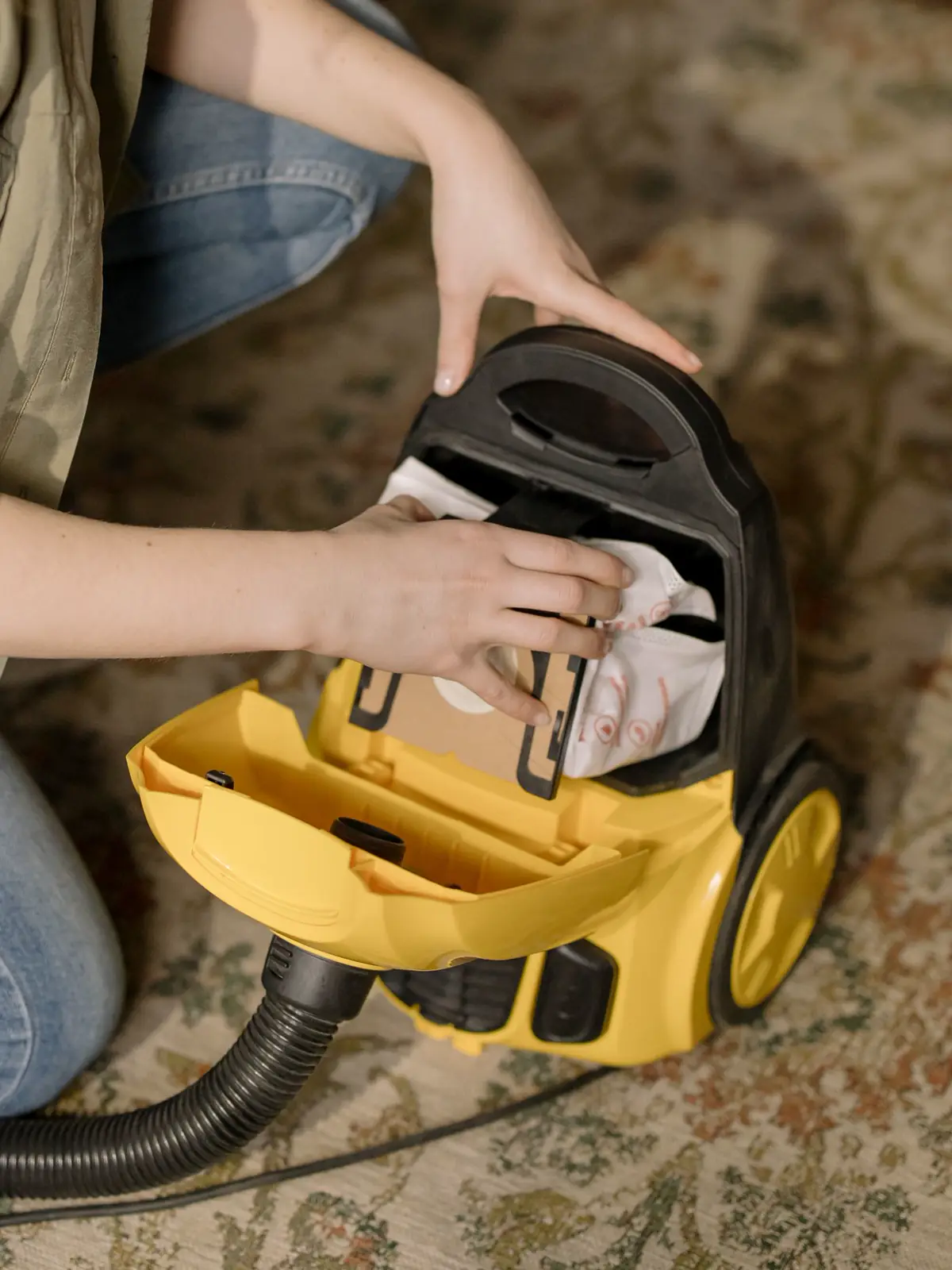
Check the exhaust filter when vacuum suction stays weak
When the bag or bin and pre-motor filter look fine but pickup is still weak, check the exhaust or post-motor HEPA — a clog there chokes airflow.
Check the vacuum hose for a clog when suction stays weak
When the bag or bin and filters look fine but pickup is still weak, detach the hose, look for light through it, and clear debris with a blunt rod — not a sharp wire.
Close vacuum bag door until the interlock clicks
After you install vacuum bags, close the bag door until the safety interlock clicks so the vacuum runs and you do not chase false vacuum lost suction.
Match your vacuum bag or filter type
Use the model code on the vacuum and the old bag or HEPA filter so suction problems are not fixed with the wrong SKU.
Seat the vacuum bag collar fully
When suction is dusty or weak, check that the vacuum bag collar is fully seated so dust cannot blow past the bag into the motor path.
Vacuum bag — check for tears after sharp debris
Vacuumed up glass bits, pins, or gravel? Check the vacuum bag for small tears. A torn bag leaks dust past the filter and into the motor area.
Vacuum bags — aftermarket cardboard collar too thick
When vacuum bags will not let the door click shut, aftermarket cardboard collars are often too thick. Match collar thickness so the interlock can seat.
Vacuum bags — change the bag at the fill line, not when bursting
Change vacuum bags when they reach the fill line or the full indicator, not when they are packed tight. Overfull bags cut suction and strain the motor.
Vacuum bags — check exhaust after a new HEPA bag feels weak
When a new HEPA vacuum bag seats cleanly but suction stays weak, check the exhaust filter next before you swap more vacuum bags and filters.
Vacuum bags — check the pre-motor filter when you fit a new bag
When suction stays weak after a new vacuum bag, check and clean the pre-motor filter before blaming the bag collar — one beat past the bag swap.
Vacuum bags — close the bag's seal tab before you toss it
Vacuum bag tip: slide the bag's built-in seal tab closed before you lift it out, so dust stays inside on the way to the trash.
Vacuum bags — fine dust fills a bag early, so change it sooner
Vacuuming fine dust like sanding or cold fireplace ash? It can clog a vacuum bag before it looks full. Change it sooner and check the manual first.
Vacuum bags — flatten a pinch crease in the bag collar
A pinch crease in a vacuum bag collar can block a flush seat and kill suction. Flatten the cardboard collar before you latch — one beat.
Vacuum bags — full bellows can hold the bag door ajar
When vacuum bags look seated but suction is weak, a full bag’s bellows can hold the door slightly ajar. Check the door gap before chasing filters for vacuum lost suction.
Vacuum bags — HEPA collar can be thicker than a standard bag
When vacuum bags will not seat, a HEPA-style collar can be thicker than the standard cardboard. Match thickness before you assume vacuum lost suction is a motor issue.
Vacuum bags — magnetic vs mechanical door interlock feel
Canister vacuum bags doors may use magnetic or mechanical interlocks. Know which you have so vacuum lost suction is not a half-latched bag door.
Vacuum bags — shake a new bag open before you seat the collar
A folded new vacuum bag can leave the collar half-closed. Shake it open so the collar seats fully and suction returns — one beat.
Vacuum bags — soft HEPA bag vs hard-shell door gap feel
When vacuum lost suction persists after a new bag, feel whether a soft HEPA bag vs hard-shell door still shows a gap before you buy more vacuum bags and filters.
Vacuum bags — soft HEPA doors need both latches
When vacuum lost suction returns right after a new bag, check that a soft HEPA bag door clicked both latches. One-side latch leaves vacuum bags leaking air.
Vacuum bags — store spares flat and dry
Vacuum bag tip: store spare vacuum bags flat in a dry spot so the cardboard collar stays straight and seals tight when it is time to swap.
Vacuum bags — tap dust off the bag collar before a new bag
Before fitting new vacuum bags, tap dust off the collar and door seal so grit does not leak around the new bag — one beat for lost suction.
Vacuum bags — write the install date on the bag collar
When you install new vacuum bags, write the date on the collar so you know when suction loss is age vs a clog — one beat for vacuum lost suction checks.
Vacuum lost suction — check bag and filters
Restore vacuum suction by changing the bag before it packs solid, cleaning filters, clearing hose and brush-roll hair, and reseating seals.
Vacuum smells like burning — check the bag and belt
A burning smell from your vacuum? Stop and check for a full bag, a clogged hose, or a slipping belt before you keep cleaning.
Washable vacuum filter must dry fully
A damp washable HEPA or foam filter kills suction and can smell musty — wash only what the manual allows, then air-dry completely.